Auto Locksmith Leicester | 24/7 Emergency Car Locksmith Services
Car Key Cutting in Leicester — Precision Cut At Your Vehicle
Traditional blades and modern laser-cut keys, cut to your lock at the roadside rather than posted off to a workshop. And because a cut key alone won't start most cars, programming can be done in the same visit. No call-out fee.
Cut personally by Mohamed Khalid Ali — a qualified mechanic with 15+ years in the motor trade. More about us
A Cut Key Alone Usually Won't Start Your Car
This is the single most useful thing to understand before spending money on key cutting, and it catches a lot of people out.
Cutting shapes the blade so it physically turns in your door and ignition. That part is mechanical, and any competent key cutter with the right blank can do it. But almost every car built since the late 1990s also has an immobiliser that reads a transponder chip inside the key. Without that chip being programmed to your vehicle, the key will unlock the door and turn in the ignition, and the engine still won't fire.
So if you've been quoted a very low price for a "car key" somewhere, it's worth asking whether programming is included. Often it isn't, and you end up paying twice.
We do both in the same visit. See car key programming for what the second half involves.
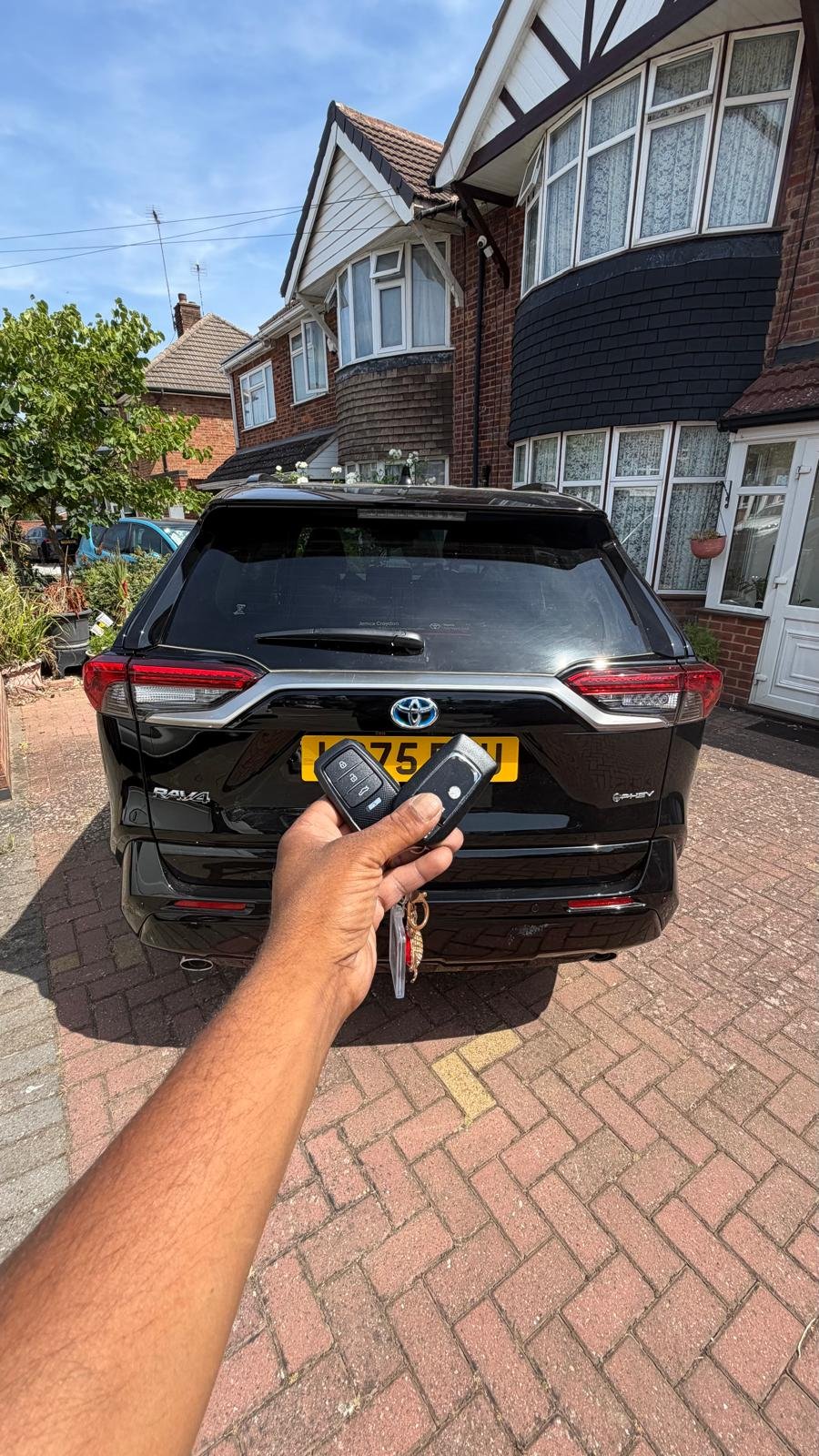
The Different Kinds Of Cut
Not all car keys are cut the same way, and the method affects both the equipment needed and how long it takes:
Traditional Edge-Cut Blades
The familiar zig-zag profile cut along the edge of the blade. Found on older vehicles and plenty of vans, and the quickest type to produce.
Laser-Cut (Sidewinder) Keys
A wavy channel milled along the flat face of the blade rather than the edge. Standard on most cars from the 2000s onward, tougher to pick and requiring a proper milling machine to cut accurately.
Flip & Switchblade Keys
The blade folds into the fob housing. Cutting is the same principle, but the blade often has to be removed from the mechanism and refitted correctly afterwards.
Cutting To An Existing Key
Where you still have a working key, it can be used as the pattern. Straightforward, and worth doing before your only key is worn or lost.
Cutting To Code
No key to copy? Many vehicles can have a key cut from the lock's key code, decoded from the vehicle rather than an existing blade. This is what makes all-keys-lost jobs possible.
Van & Commercial Keys
Work vans take heavier daily use, so blades and barrels wear faster. Transit, Vivaro, Transporter, Sprinter, Trafic and more, plus agricultural equipment.
Not Sure Which Key You Have? Send A Photo.
WhatsApp UsA Slightly Wrong Cut Causes Slow Damage
Key cutting is a precision job measured in fractions of a millimetre, and a cut that's marginally off does more harm than an obviously bad one — because you keep using it:
- It wears your barrels prematurely. A slightly incorrect profile puts uneven pressure on the wafers inside the lock every single time you use it, and the lock wears out faster than it should.
- It needs jiggling to turn. That's the warning sign. The extra force you apply to compensate is exactly what eventually snaps a key — see broken key repairs.
- Copies of copies drift. Cutting a new key from an already-worn copy carries that wear forward and adds to it. Where possible we cut from the original or from the vehicle's code rather than a worn duplicate.
- Blank quality matters too. Soft, poor-quality blanks bend and wear quickly, which is a large part of why a very cheap key often doesn't stay cheap.
Each key we cut is tested in your actual locks before we leave — door, ignition and boot — rather than assumed correct because the machine said so.
How Key Cutting Runs
At your vehicle, usually in a single visit.
Identify The Key
Make, model, year and registration confirm the blade profile and blank required. A photo over WhatsApp usually settles it.
Verify Authority
A quick check that you're entitled to a key for the vehicle before anything is cut.
Cut The Blade
From your existing key, or decoded from the vehicle where no key survives. Edge-cut or laser-cut as the vehicle requires.
Program & Test
Transponder programmed so the engine actually starts, then everything tested in your locks before the job is finished.
When It's Worth Getting A Key Cut
Almost always cheaper as a planned job than an emergency one:
- You're down to one key. The single most common regret we hear. A spare cut now costs a fraction of an all-keys-lost job later.
- Your key is visibly worn or bent. Rounded cuts, a twisted blade, or needing to jiggle it means it's on borrowed time.
- You've just bought a used car. You often can't know how many keys exist or who has them. A fresh key plus erasing the old ones is worth considering.
- More than one driver. Two people sharing a single key is a lockout waiting to happen.
- Work vans with multiple users. Fleet and shared vehicles get through keys quickly, and a spare kept at base saves a stranded driver mid-round.
Key Cutting By Make
Blade profiles differ between manufacturers and often between model years within the same make. Pick your make for the detail, or ring with the registration and we'll confirm the blank required before travelling.
Where We Cut Keys
Fully mobile across Leicester — the cutting machine travels to the car, not the other way round.
See All Areas We CoverRated by Leicester Drivers
5.0 stars on Google, built one honest job at a time.


 Trustindex verifies that the original source of the review is Google.
 Trustindex verifies that the original source of the review is Google.
 Trustindex verifies that the original source of the review is Google.
 Trustindex verifies that the original source of the review is Google.
 Trustindex verifies that the original source of the review is Google.
 Trustindex verifies that the original source of the review is Google.
 Trustindex verifies that the original source of the review is Google.
 Trustindex verifies that the original source of the review is Google.
 Trustindex verifies that the original source of the review is Google.
 Trustindex verifies that the original source of the review is Google.
Car Key Cutting FAQs
Will a cut key start my car?
On its own, usually not. Cutting shapes the blade so it turns in the lock, but almost every car built since the late 1990s also needs the transponder chip programmed to the immobiliser before the engine will start. We do both in the same visit.
Can you cut a key without the original?
Often yes. Many vehicles allow a key to be cut to code, decoded from the vehicle itself rather than copied from an existing blade. That's what makes all-keys-lost jobs possible.
What's the difference between edge-cut and laser-cut keys?
Edge-cut keys have the familiar zig-zag profile along the edge of the blade. Laser-cut, or sidewinder, keys have a wavy channel milled into the flat face instead. Laser-cut keys are standard on most cars from the 2000s onward and need a proper milling machine to produce accurately.
Why is a key cut at a kiosk cheaper?
Because it's usually only half the job. A kiosk cuts the blade, which is the mechanical part. If it doesn't also program the transponder, the key opens the door but won't start the car - so it's worth asking exactly what's included before comparing prices.
My key works but I have to jiggle it. Should I get a new one cut?
Yes, and sooner rather than later. Jiggling means either the key or the barrel is worn, and the extra force you're applying is the most common cause of a key snapping in the lock.
Can you cut keys for vans and commercial vehicles?
Yes - Transit, Vivaro, Transporter, Sprinter, Trafic and more, plus agricultural equipment. Van keys and barrels tend to wear faster simply through heavier daily use.
Is it cheaper to have two keys cut at once?
Almost always. A second key cut and programmed during the same visit avoids a separate call-out later, and it means you're never down to a single key again.
Do you cut keys at the roadside or take them away?
Everything is done at your vehicle. The cutting equipment travels in the van, so there's no leaving the car without a key or waiting for something to come back from a workshop.
Can you cut a key from a photo I send?
Not cut it from a photo, no - but a photo is genuinely useful for identifying the key type and the blank required before we travel, which saves time on the day.
You Might Also Need
While you're thinking about keys, it's worth thinking about where they live. According to Thatcham Research, the UK's independent vehicle security testing body, storing a keyless fob in a signal-blocking pouch significantly reduces relay-theft risk. See also vehicle security and our guide: Does Tin Foil Block Car Key Signals?
Need A Key Cut? Cut And Programmed In One Visit.
Call with your make, model and registration for an honest price — no call-out fee, ever.